Uncategorized
March 2021: Prof Nick Dunn
Future cities: reimagining and reconfiguring tomorrow’s world
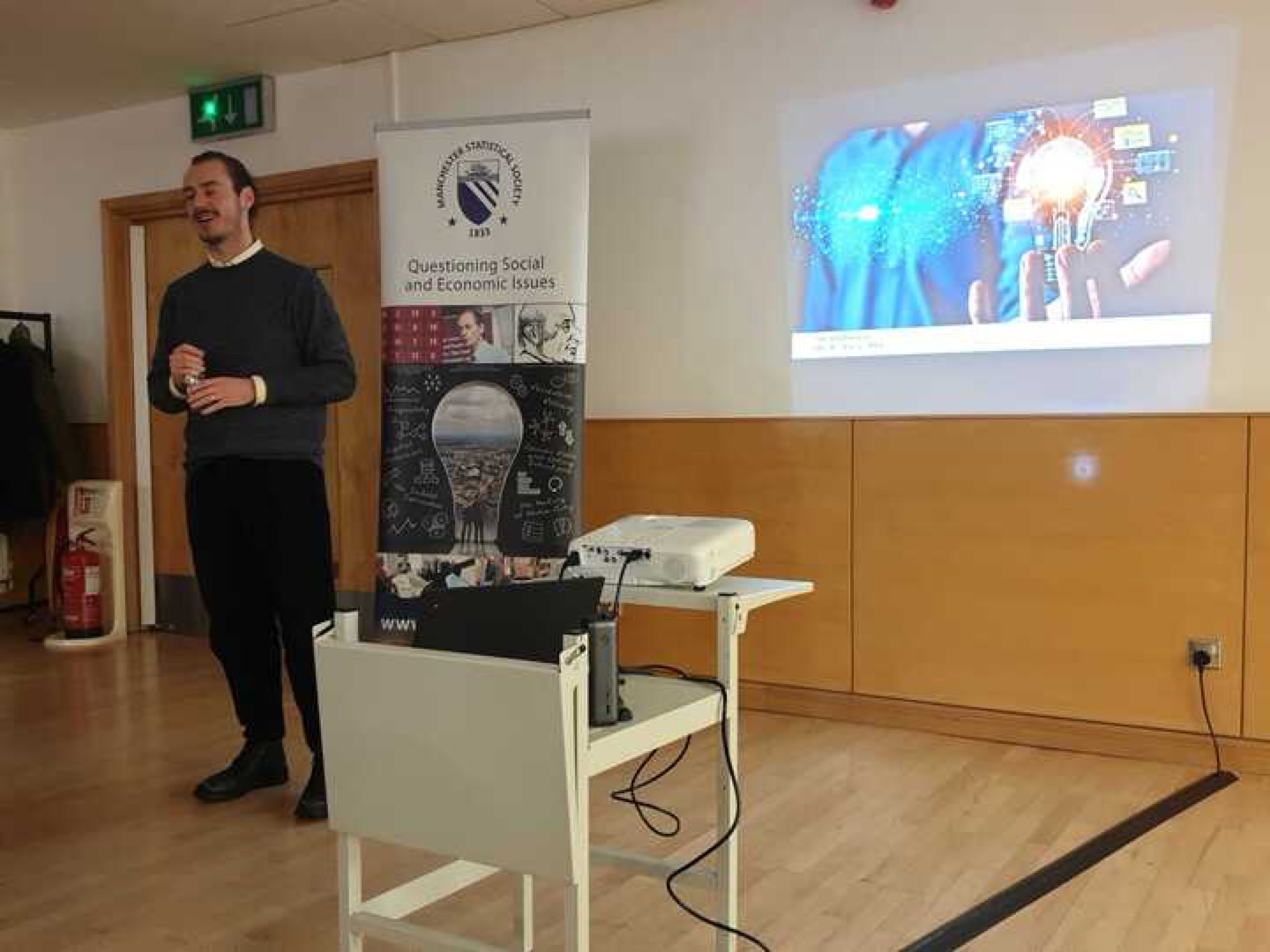
Visions for future cities capture our collective imagination. Throughout the history of cities, we have projected various futures for how we might want to live, work, play and share resources. These futures are often visualised by architects, artists, designers, film makers and urbanists. Embedded in these visions are ideologies and values that suggest particular types of collective life, mobility and environments. Whether we realise it or not, visions for future cities significantly influence how we think about the present and what we do next. As we face great uncertainty and huge challenges around the world, understanding what future cities will look like and how they might shape our behaviour, and minimise our impact on the planet, is now critical. Covid-19 has only served to reinforce this urgency. At present, technology-driven solutions dominate research and industry focus, and thus form major pathways and potential technological lock-in. Much emphasis is currently focused on Smart Cities without exploring all their various advantages and disadvantages. It is clear that we need viable, radical alternatives if we are to meet environmental and social targets as well as economic ones. Such alternatives would enable human flourishing alongside technological innovation, and may require municipal borders to be redefined and common resources redistributed to support healthy populations through shared, integrated, sustainable developments. By gaining key insights into how and why visions for future cities are relevant to us now and for the generations that will follow, we can challenge our assumptions and rethink how we build our collective tomorrow.
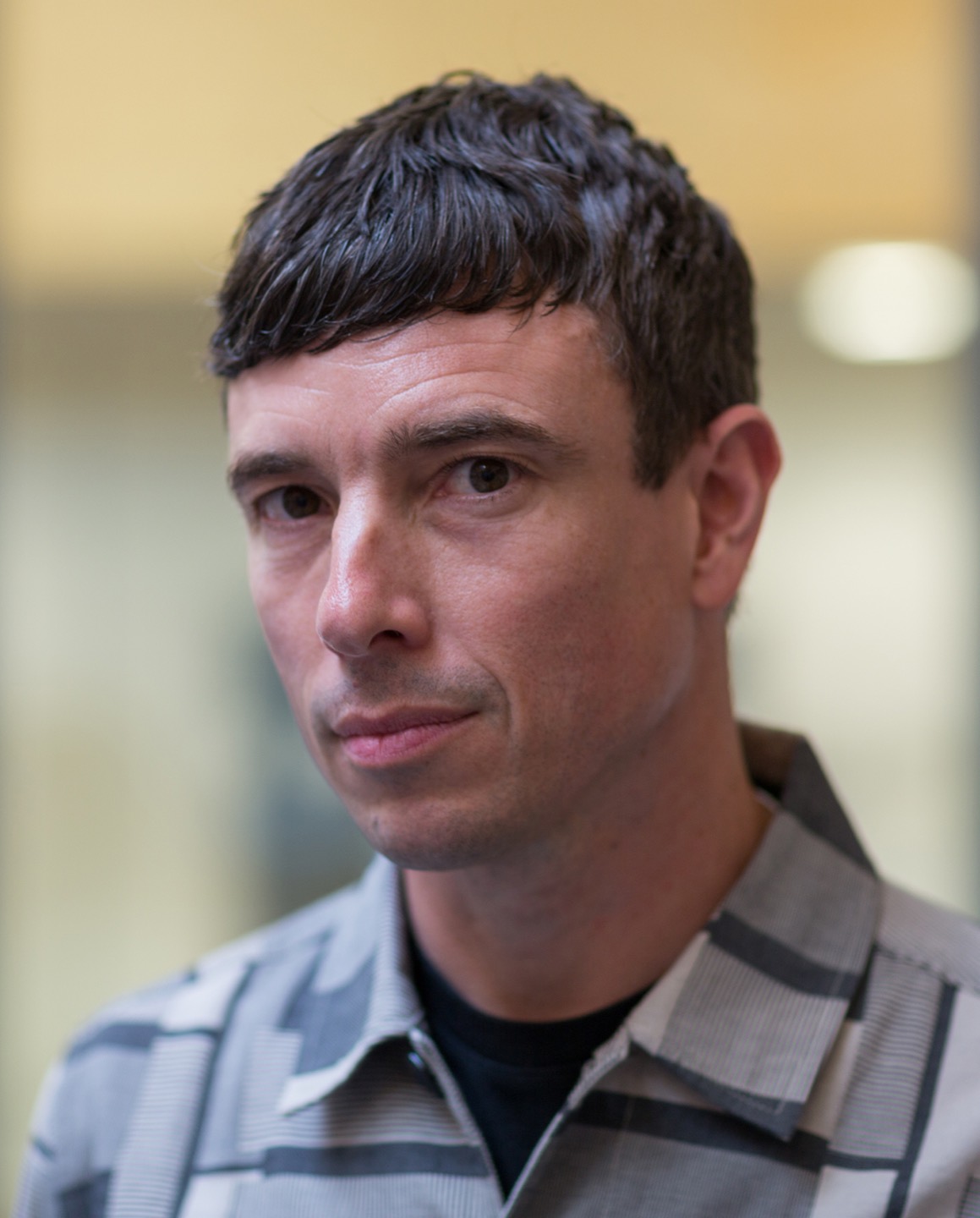
Nick Dunn is Chair of Urban Design and Executive Director of Imagination, the design and architecture research laboratory at Lancaster University. He is Senior Fellow of the Institute for Social Futures, exploring new ways to think of, envision and analyse the futures of people, places and planet. Nick read architecture at Manchester and worked as a freelance crime scene surveyor to help support his studies. His research into futures has been funded by both the UK’s Government Office for Science and the Ministry of Defence. His recent publications include Designing Future Cities for Wellbeing (2020), Rethinking Darkness: Cultures, Histories, Practices (2020) and Future Cities: A Visual Guide (2020).