185th Session · Meeting
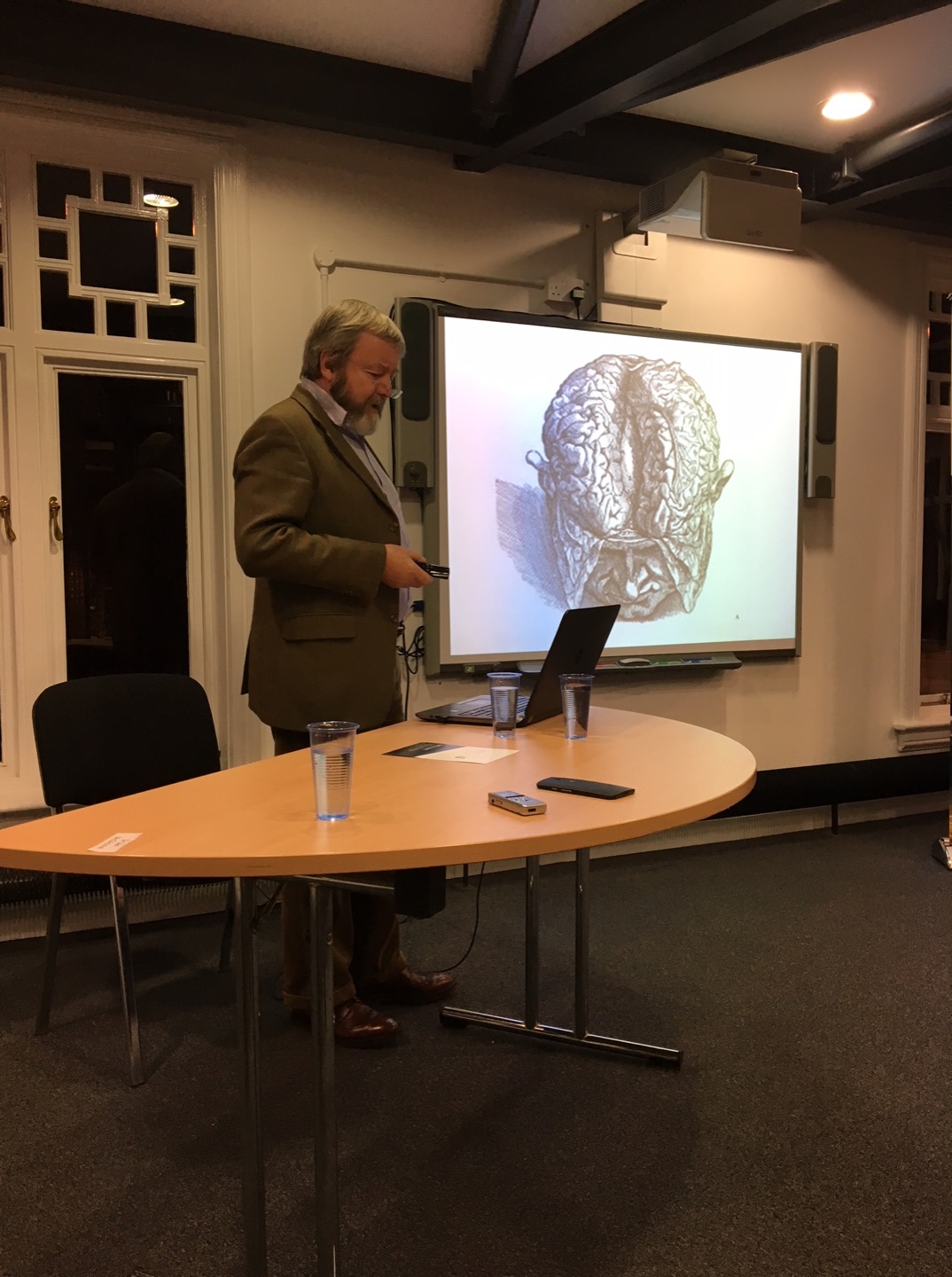
December 2017 meeting: Iain McGilchrist
We now know that each hemisphere plays a role in everything the brain does: the old dichotomies do not hold. Most neuroscientists have therefore abandoned the attempt to understand why nature has so carefully segregated the hemispheres – despite a large, and expanding, body of evidence about their differences at every level.
Iain McGilchrist suggests that there is an evolutionary advantage to the division, originating in the need to pay two quite different types of attention to the world simultaneously. In human consciousness, these two modes of attention give rise to two different versions of the world, with different qualities, as well as different sets of preoccupations and values. The relationship between these two modes is asymmetrical, as is the brain that permits them to come into being. Both are necessary, but one of them sees less than the other, while nonetheless believing that it sees everything.
It is suggested that an understanding of the implications of this attentional divide may cast light on some of the ultimate metaphysical questions, such as the nature of our selves, our minds and bodies, and our relationship with the world.